

Currently Empty: £0.00


Health
Top Factors That Affect Individual Health and Wellbeing
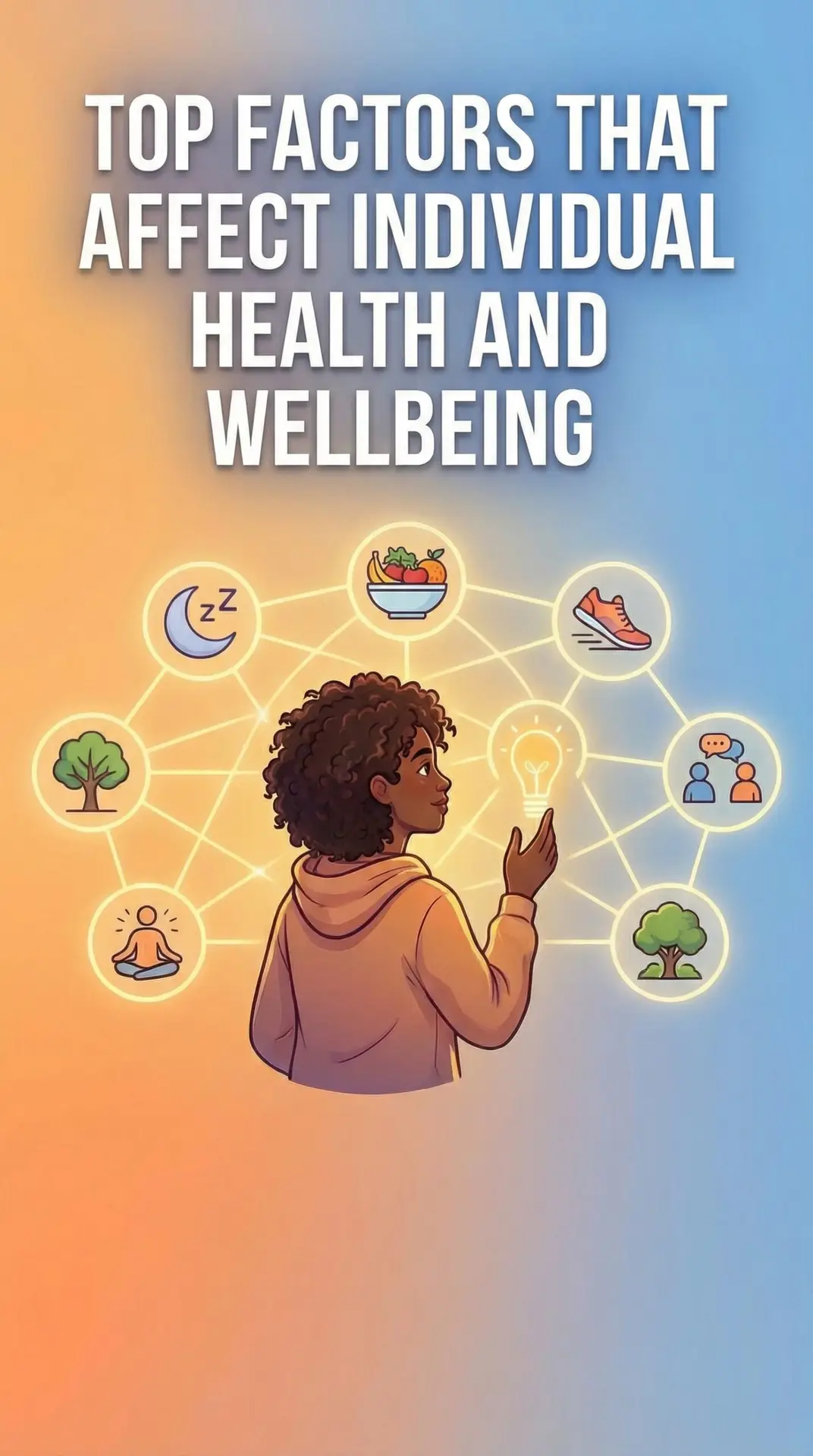
Health and wellbeing in adult care is a multidimensional concept influenced by a complex interaction of personal, social, environmental and structural factors. As a registered manager, evaluating these factors is essential to ensure care provision aligns with the Care Act 2014 principle of promoting individual wellbeing and preventing deterioration (Department of Health and Social Care, 2014).
Physical and Biological Factors
Physical health conditions, long-term illness, disability and age-related changes significantly influence wellbeing. Chronic conditions such as diabetes or dementia can restrict mobility, increase dependence and heighten vulnerability to social isolation. Poorly managed physical health often has a direct negative impact on mental wellbeing, particularly where pain, fatigue or reduced independence are present. Evidence suggests that unmet physical health needs increase hospital admissions and reduce quality of life for adults in care settings (NHS England, 2023). Effective monitoring, timely interventions and access to primary and specialist healthcare are therefore critical in mitigating these risks.
Psychological and Emotional Factors
Mental health is a core component of wellbeing and is shaped by life experiences, trauma, self-esteem and emotional resilience. Individuals accessing adult care services may experience anxiety, depression or loss associated with bereavement, reduced independence or transition into care. Without appropriate emotional support, these factors can lead to withdrawal, reduced engagement and deterioration in physical health. The Care Act 2014 recognises emotional wellbeing as integral to overall wellbeing, reinforcing the importance of personalised, strengths-based approaches that promote independence and meaningful activity (Department of Health and Social Care, 2014).
Social Factors and Relationships: Social connections, family involvement and community participation are strong protective factors for health and wellbeing. Conversely, loneliness and social isolation are associated with poorer mental health, increased mortality and reduced life satisfaction (Holt-Lunstad et al., 2015). Adults in care settings may experience disrupted relationships due to relocation or loss of social roles. As a registered manager to be, I must therefore assess how care environments facilitate social interaction, maintain family links and support community inclusion, as these factors directly influence emotional resilience and sense of purpose.
Environmental Factors: The physical environment plays a significant role in shaping wellbeing. Safe, accessible and comfortable living environments promote independence and reduce risk, while poorly designed or restrictive environments can contribute to anxiety, confusion and loss of dignity. For example, inadequate lighting or cluttered spaces may increase falls risk, while lack of privacy can undermine personal dignity. The Care Quality Commission emphasises that environments should support safety, dignity and individual choice to promote wellbeing (CQC, 2022)
Cultural, Spiritual and Identity factors: An individual’s cultural background, beliefs, values and spiritual needs influence how they perceive health, illness and care. Failure to recognise and respect these aspects can lead to disengagement, distress and inequality in outcomes. The Equality Act 2010 places a legal duty on services to make reasonable adjustments and avoid discriminatory practices. Evaluating how care provision reflects cultural competence and inclusivity is therefore essential to promoting equitable wellbeing outcomes (Skills for Care, 2023).
Socioeconomic Factors: Income, housing stability, education and access to services are wider determinants of health that significantly affect wellbeing. Adults experiencing financial hardship may face barriers to nutrition, transport and social participation, increasing health inequalities. While registered managers cannot directly change socioeconomic circumstances, they can evaluate their impact and work in partnership with other agencies to mitigate negative effects through advocacy and signposting (Marmot et al., 2020).
Overall Evaluation: The evidence demonstrates that health and wellbeing are influenced by interrelated factors rather than isolated issues. Effective leadership in adult care requires a holistic evaluation of these influences, ensuring care planning, risk management and service design address the full spectrum of physical, emotional, social and environmental needs. Services that fail to consider this complexity risk fragmented care and poorer outcomes, whereas person-centred, inclusive approaches are more likely to sustain wellbeing and independence.
Reflection: Reflecting on this task has reinforced the complexity of health and wellbeing within adult care and the responsibility placed on registered managers to adopt a holistic perspective. In evaluating the range of influencing factors, I recognised how easily care can become overly task-focused if broader determinants such as social connection, culture and emotional wellbeing are not actively considered.
The importance of leadership in shaping a culture where staff understand wellbeing beyond physical health is highlighted. I became more aware of how managerial decisions regarding environment, staffing, training and partnership working directly influence outcomes for individuals. Reviewing legislation and evidence strengthened my confidence in linking practice to statutory duties, particularly under the Care Act 2014.
One challenge identified was ensuring that evaluations of wellbeing are consistently embedded in day-to-day practice rather than treated as separate assessments. Going forward, I would prioritise reflective supervision and team discussions to reinforce holistic thinking and shared accountability. Overall, this task has enhanced my understanding of how critical evaluative leadership is in promoting sustainable health and wellbeing outcomes in adult care.
References
Care Quality Commission (CQC) (2022) Guidance for providers on meeting the regulations. Available at: https://www.cqc.org.uk/guidance-providers (Accessed: 3 January 2026).
Department of Health and Social Care (2014) Care Act 2014. London: The Stationery Office.
Holt-Lunstad, J., Smith, T.B., Baker, M., Harris, T. and Stephenson, D. (2015) ‘Loneliness and social isolation as risk factors for mortality’, Perspectives on Psychological Science, 10(2), pp. 227–237.
Marmot, M., Allen, J., Boyce, T., Goldblatt, P. and Morrison, J. (2020) Health Equity in England: The Marmot Review 10 Years On. London: Institute of Health Equity.
NHS England (2023) Long Term Plan: Supporting people with long-term conditions. Available at: https://www.england.nhs.uk/long-term-plan/ (Accessed: 3 January 2026).
Skills for Care (2023) Equality, diversity and inclusion in adult social care. Available at: https://www.skillsforcare.org.uk (Accessed: 3 January 2026).