

Currently Empty: £0.00


Health
Top 10 Essential Skills Every Professional Caregiver Needs in 2026
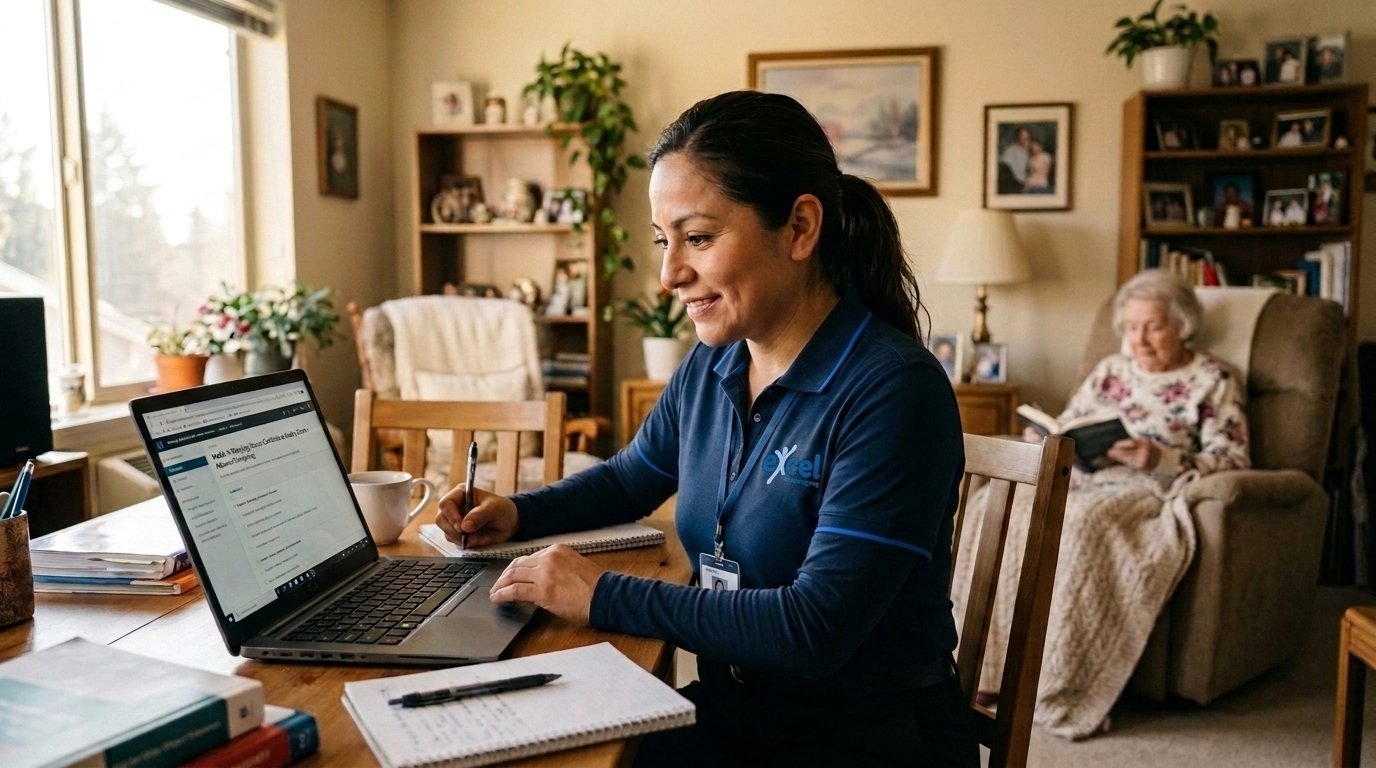
The demand for skilled caregivers continues to grow across the UK and many other parts of the world. With ageing populations, increasing healthcare needs, and a greater emphasis on person-centred care, employers are looking for professionals who possess more than compassion—they need caregivers with the right knowledge, practical abilities, and professional attitude.
Whether you are planning to begin your career in health and social care or looking to improve your employability, developing the right professional caregiver skills is essential. Employers expect caregivers to provide safe, compassionate, and high-quality support while maintaining professionalism at all times.
In this guide, we’ll explore the top 10 essential skills every professional caregiver needs in 2026 and how proper training can prepare you for a rewarding career.
Why Professional Caregiver Skills Matter
Caregivers play a vital role in supporting individuals who require assistance with daily living, whether due to age, illness, disability, or recovery from surgery. Beyond helping with physical tasks, caregivers provide emotional support, companionship, dignity, and independence.
Healthcare employers increasingly seek candidates who combine technical knowledge with strong interpersonal skills. Investing in professional training not only improves the quality of care you provide but also increases your chances of securing employment and progressing in your career.
1. Excellent Communication Skills
Communication is one of the most important skills for every caregiver.
Caregivers must communicate effectively with service users, families, healthcare professionals, and colleagues. Good communication helps prevent misunderstandings, ensures continuity of care, and builds trust.
Strong communication includes:
- Active listening
- Speaking clearly and respectfully
- Accurate record keeping
- Reporting concerns promptly
- Understanding verbal and non-verbal communication
When caregivers communicate effectively, clients feel heard, respected, and valued.
2. Compassion and Empathy
Compassion goes beyond completing tasks. It involves understanding another person’s feelings, treating them with kindness, and providing emotional support during difficult times.
Empathy allows caregivers to see situations from the perspective of the individual receiving care.
Showing compassion can help:
- Reduce anxiety
- Improve emotional wellbeing
- Build trusting relationships
- Enhance overall quality of care
These qualities remain at the heart of exceptional caregiving.
3. Person-Centred Care
Modern healthcare places great emphasis on person-centred care.
Rather than treating everyone the same, caregivers should recognise that every individual has unique preferences, beliefs, goals, and care needs.
Providing person-centred care means:
- Respecting individual choices
- Promoting independence
- Protecting dignity
- Involving service users in decisions
- Supporting cultural and religious preferences
This approach improves satisfaction and leads to better care outcomes.
4. Patience and Emotional Resilience
Caregiving can be physically and emotionally demanding.
Professionals may encounter clients with dementia, learning disabilities, mental health conditions, or complex medical needs. Remaining patient helps caregivers respond calmly to challenging situations.
Emotional resilience enables caregivers to:
- Stay calm under pressure
- Handle stressful situations professionally
- Adapt to changing circumstances
- Continue delivering quality care
Developing resilience also helps reduce burnout and supports long-term career success.
5. Safeguarding Knowledge
Protecting vulnerable adults and children is one of the caregiver’s most important responsibilities.
Every caregiver should understand how to:
- Recognise signs of abuse
- Identify neglect
- Report safeguarding concerns
- Follow workplace procedures
- Maintain professional boundaries
Safeguarding training ensures that caregivers know how to protect those in their care while complying with legal and professional standards.
6. Health and Safety Awareness
Providing safe care requires a strong understanding of health and safety principles.
Caregivers should know how to:
- Prevent accidents
- Reduce workplace risks
- Use equipment safely
- Maintain infection prevention procedures
- Follow emergency protocols
A good understanding of health and safety protects both caregivers and service users.
7. Time Management and Organisation
Professional caregivers often support multiple clients with different needs throughout the day.
Effective time management helps caregivers:
- Prioritise important tasks
- Arrive on time
- Complete documentation accurately
- Meet care plans
- Deliver consistent support
Organised caregivers provide more efficient and reliable care.
8. Basic Clinical and Care Skills
Although many clinical tasks are performed by nurses, caregivers often require essential practical knowledge to provide safe support.
Examples include:
- Personal care
- Safe moving and handling
- Nutrition and hydration support
- Infection prevention and control
- Monitoring wellbeing
- Basic Life Support (BLS)
Receiving recognised training ensures these skills are carried out safely and confidently.
9. Professionalism and Integrity
Professional caregivers are trusted with people’s wellbeing, privacy, and personal information.
Professional behaviour includes:
- Being punctual
- Maintaining confidentiality
- Following care plans
- Respecting workplace policies
- Demonstrating honesty and accountability
Employers highly value caregivers who consistently display professionalism.
10. Continuous Learning and Professional Development
Healthcare is constantly evolving. New regulations, technologies, and best practices mean caregivers should continue developing their knowledge throughout their careers.
Continuous professional development helps caregivers:
- Stay up to date
- Improve confidence
- Increase employability
- Meet employer expectations
- Progress into senior roles
Online learning makes professional development more flexible than ever before.
How Professional Training Builds These Skills
Many of the skills listed above are developed through structured education and practical learning.
Professional training provides learners with:
- Industry-recognised qualifications
- Up-to-date knowledge
- Practical understanding
- Increased confidence
- Better career opportunities
Courses such as the Care Certificate, Health and Safety, Safeguarding, Infection Prevention and Control, Basic Life Support, Equality and Diversity, and Communication Skills provide an excellent foundation for anyone entering the health and social care sector.
Why Choose Excel World Academy?
At Excel World Academy, we are committed to helping learners build successful careers through high-quality online professional training.
Our flexible online courses are designed to equip learners with the practical knowledge and confidence needed to meet today’s healthcare standards.
Whether you’re new to the sector or an experienced professional looking to refresh your skills, our training programmes support your career goals while allowing you to learn at your own pace.
Frequently Asked Questions
What skills do employers look for in caregivers?
Employers typically look for communication skills, compassion, safeguarding knowledge, health and safety awareness, professionalism, time management, and the ability to provide person-centred care.
Do I need training before becoming a caregiver?
Although some entry-level roles provide workplace training, completing recognised professional courses significantly improves your employability and prepares you to deliver safe, high-quality care.
What is person-centred care?
Person-centred care focuses on treating each individual with dignity and respect while involving them in decisions about their own care and recognising their unique needs and preferences.
Can I study caregiver courses online?
Yes. Many recognised healthcare and care certificate courses are available online, allowing learners to study flexibly while balancing work and personal commitments.
Final Thoughts
The healthcare sector continues to offer rewarding career opportunities for compassionate and dedicated professionals. However, success requires more than good intentions. Developing strong professional caregiver skills enables you to provide safe, effective, and person-centred care while improving your career prospects.
By investing in continuous learning and recognised training, you can build the confidence, knowledge, and practical abilities employers are seeking in 2026 and beyond.
If you’re ready to begin or advance your career in health and social care, Excel World Academy offers flexible online courses designed to help you succeed. Explore our training programmes today and take the next step towards becoming a confident, competent, and highly employable caregiver.