

Currently Empty: £0.00


Health
Introduction to Food Safety: Why It Matters
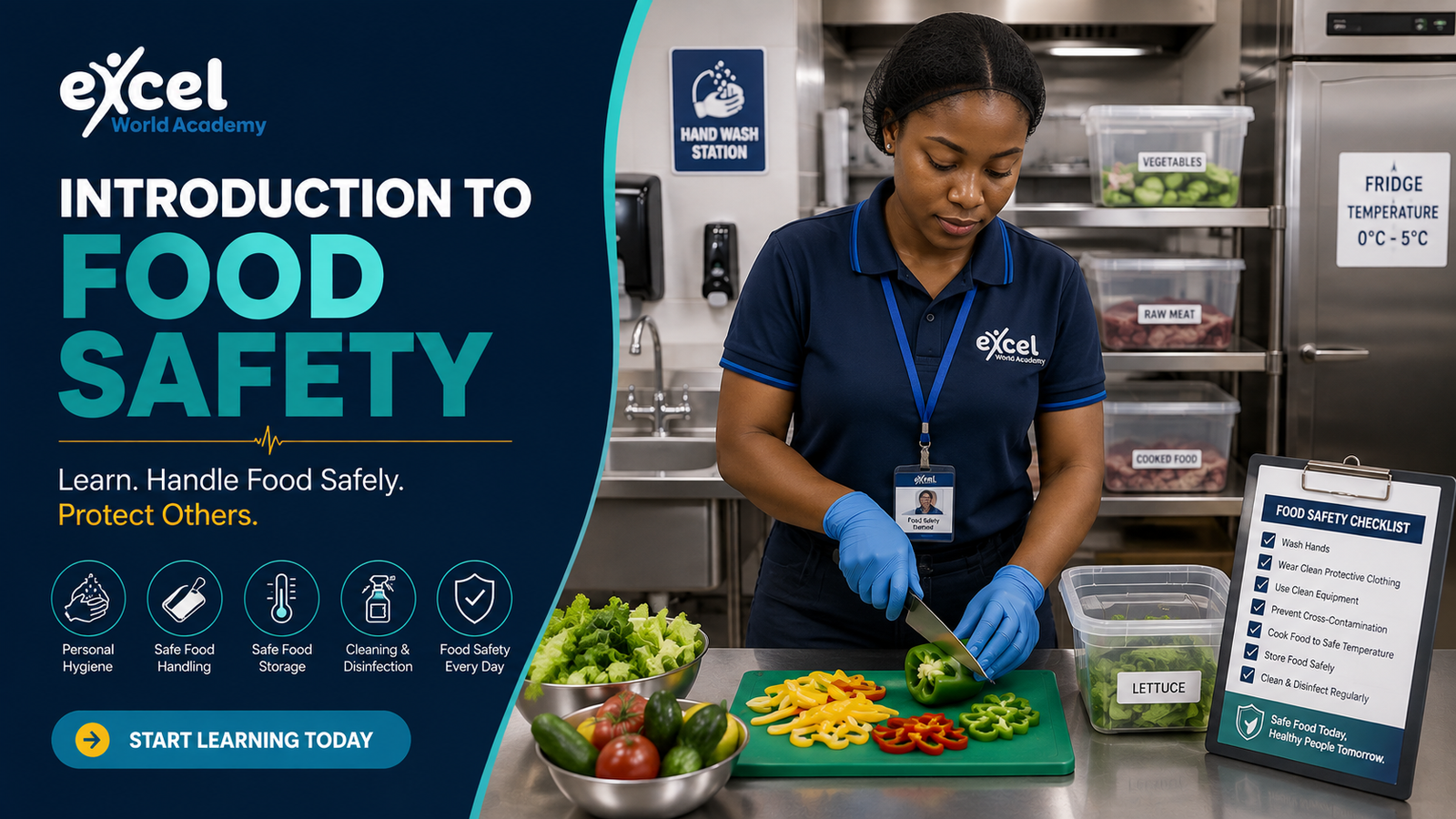
Food plays an important role in everyday life, but unsafe food handling can create serious risks to people’s health. From food preparation and storage to serving and cleaning, every step matters when it comes to keeping food safe.
This is why food safety training is important for anyone who works in an environment where food is prepared, handled, stored, or served.
Understanding the basics of food hygiene can help food handlers recognise potential hazards, follow safe working practices, and reduce the risk of foodborne illness.
Whether you are starting your first job in catering, hospitality, or retail, or you are an existing food handler looking to refresh your knowledge, learning about food safety is an important step towards creating a safer and more hygienic food environment.
What Is Food Safety?
Food safety refers to the practices and procedures used to keep food safe for people to eat.
It covers different stages of the food process, including:
- Preparing food.
- Handling food.
- Cooking food.
- Storing food.
- Serving food.
- Cleaning food preparation areas.
- Preventing contamination.
Good food safety practices help reduce food risks and support a hygienic environment.
For businesses that prepare or serve food, having staff who understand food hygiene and safe food handling is an important part of maintaining good standards.
Why Is Food Safety Training Important?
Food safety training helps people understand the risks associated with handling food and the steps they can take to reduce those risks.
Poor food hygiene can contribute to food contamination and foodborne illness. Simple mistakes, such as poor personal hygiene, unsafe storage, or cross-contamination, can create risks for consumers.
Training can help food handlers understand:
- Why food safety matters.
- Different types of food hazards.
- How food poisoning can occur.
- How to maintain good personal hygiene.
- How to handle food safely.
- How to store food correctly.
- How to prevent cross-contamination.
- The importance of cleaning and disinfection.
- Their legal responsibilities relating to food safety.
The right knowledge can help workers feel more confident when carrying out food-related duties.
Understanding Food Hazards
One of the key areas of food safety is understanding the different hazards that can affect food.
The Introduction to Food Safety course covers three main types of food hazards:
1. Biological Hazards
Biological hazards can include harmful bacteria and other microorganisms that may contaminate food.
Good hygiene, safe food handling, appropriate storage, and effective cleaning practices can help reduce the risks associated with biological hazards.
2. Chemical Hazards
Chemical hazards can occur when harmful chemicals contaminate food.
This highlights the importance of storing and using cleaning products and other chemicals appropriately and keeping them away from food.
3. Physical Hazards
Physical hazards are unwanted objects that may accidentally enter food.
Good food handling practices and maintaining clean, well-managed food preparation areas can help reduce the risk of physical contamination.
Understanding these hazards is an important foundation for anyone working with food.
What Causes Food Poisoning?
Food poisoning can occur when a person consumes contaminated food or drinks.
There are different causes of food poisoning, which is why food handlers need to understand how contamination can happen and how it can be prevented.
Good food safety practices can help reduce risks by focusing on areas such as:
- Personal hygiene.
- Safe food preparation.
- Correct food storage.
- Preventing cross-contamination.
- Cleaning and disinfection.
- Safe handling practices.
Food handlers have an important role to play in protecting consumers from avoidable food safety risks.
The Importance of Personal Hygiene
Personal hygiene is a key part of food safety.
Food handlers can come into contact with bacteria and other contaminants through their hands, clothing, or personal habits. Good hygiene practices can help reduce the risk of transferring contamination to food.
Food handlers should understand the importance of maintaining appropriate personal hygiene standards while working with food.
This includes following workplace hygiene procedures and maintaining high standards throughout food preparation and handling activities.
Good personal hygiene is not only about protecting the food. It also helps protect the people who will eventually consume it.
Safe Food Handling and Storage
How food is handled and stored can affect its safety.
Food handlers should understand the importance of following safe food handling and storage practices. This includes being aware of the risks associated with different types of food and following workplace procedures designed to maintain food safety.
Safe food handling helps reduce opportunities for contamination, while appropriate storage practices can help maintain food quality and safety.
Workers should always follow the food safety procedures and guidance provided by their workplace.
What Is Cross-Contamination?
Cross-contamination happens when harmful substances or microorganisms are transferred from one source to another.
For example, contamination may be transferred between food, surfaces, equipment, or hands if appropriate hygiene practices are not followed.
Preventing cross-contamination is therefore an important part of food hygiene.
Food handlers should understand the importance of:
- Keeping food preparation areas clean.
- Following appropriate hygiene procedures.
- Handling food safely.
- Using equipment correctly.
- Following workplace food safety procedures.
A good understanding of cross-contamination can help workers identify potential risks before they become a bigger problem.
Cleaning and Disinfection
Cleanliness is an important part of maintaining a safe food environment.
Food preparation areas, equipment, and surfaces should be cleaned appropriately according to workplace procedures.
However, cleaning and disinfection are not simply about making a workplace look clean. They are important parts of reducing food safety risks.
Food handlers should understand the importance of following suitable cleaning and disinfection practices and using products correctly.
A clean and hygienic working environment supports safer food preparation and handling.
Legal Responsibilities in Food Safety
Food safety is not only about good practice. There are also legal responsibilities that businesses and food handlers need to understand.
The Introduction to Food Safety course from Excel World Academy is based on UK food safety legislation and helps learners develop knowledge of their responsibilities in maintaining safe food practices.
Understanding these responsibilities can help workers appreciate why food safety procedures are important and why following workplace standards matters.
Food safety training can therefore support both individual knowledge and organisational compliance.
Who Needs Food Safety Training?
Food safety knowledge can be valuable for anyone who works with food.
Excel World Academy’s Introduction to Food Safety course is designed for:
- New starters working with food.
- Entry-level food handlers.
- Staff in catering.
- Hospitality workers.
- Retail employees.
- Employees who need food safety induction training.
- Businesses looking for flexible food hygiene training.
The course can also be useful as an introduction or refresher for people who want to improve their understanding of food safety and hygiene.
Why Choose Online Food Safety Training?
Online learning can make training more convenient for individuals and businesses.
Excel World Academy’s Introduction to Food Safety course is 100% online and self-paced. Learners can access the course using a desktop, tablet, or mobile device, allowing them to study at a time and place that suits them.
The course takes approximately 1–2 hours and includes multiple-choice questions. Learners receive a certificate on completion.
This flexible approach can make it easier for new starters, existing employees, and teams to complete essential food safety learning.
What Will You Learn?
The Introduction to Food Safety course covers essential topics including:
- The importance of food safety and hygiene.
- Biological, chemical, and physical food hazards.
- Causes and prevention of food poisoning.
- Personal hygiene standards.
- Safe food handling and storage.
- Cleaning and disinfection.
- Prevention of cross-contamination.
- Legal responsibilities relating to food safety.
These areas provide learners with a strong foundation in food safety knowledge.
Is This Course Right for You?
If you are new to working with food or need to refresh your food hygiene knowledge, an Introduction to Food Safety course can be a useful starting point.
It can help you understand the risks associated with food handling and the importance of following safe and hygienic working practices.
However, it is important to remember that the course provides the knowledge element of food safety training. Additional workplace-based training may be required to demonstrate full competence, depending on the role and workplace requirements.
Final Thoughts
Food safety is everyone’s responsibility when food is prepared, handled, stored, or served.
By understanding food hazards, personal hygiene, safe food handling, cross-contamination, cleaning, and legal responsibilities, food handlers can contribute to safer and more hygienic working environments.
Whether you are starting a new role or refreshing your existing knowledge, food safety training can help you build confidence and understand the importance of safe food practices.
Ready to Build Your Food Safety Knowledge?
Excel World Academy’s Introduction to Food Safety Course provides a flexible way to learn essential food safety and hygiene knowledge online.
🎓 Study at your own pace, build your knowledge, and gain a certificate on completion.
👉 Start your Introduction to Food Safety course today:
https://excelworldacademy.com/courses/introduction-to-food-safety/
Learn today. Work safely. Help protect others with Excel World Academy.