

Currently Empty: £0.00


Health
Infection Prevention and Control: Why It Matters in Health and Social Care
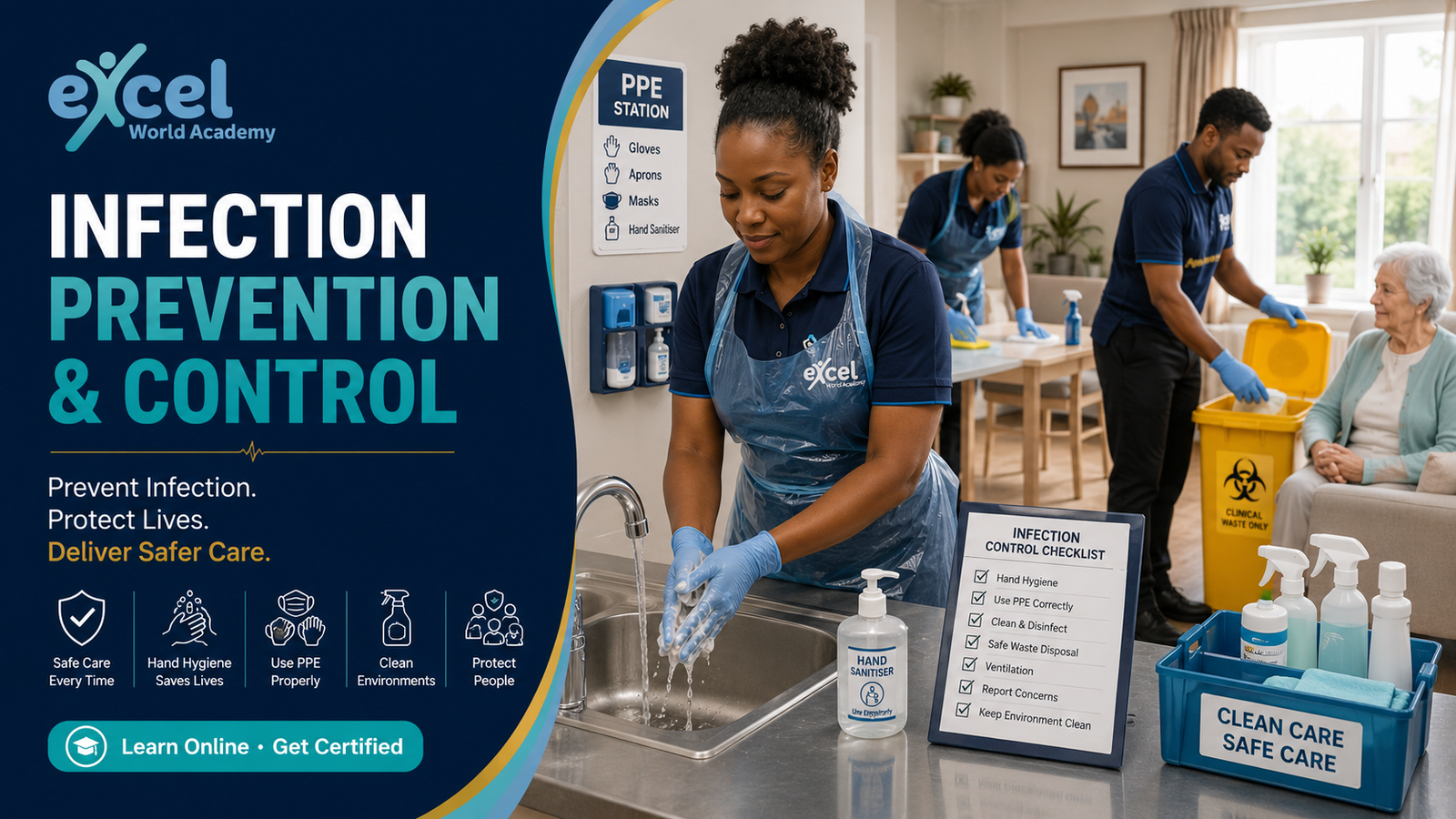
Every day, health and social care professionals work with people who may be vulnerable to infections. Without proper infection prevention and control measures, harmful microorganisms can spread quickly, putting both service users and staff at risk.
That’s why infection prevention and control is one of the most important responsibilities for anyone working in health and social care.
Good infection control is not just about protecting yourself it is about protecting the people you support, your colleagues, visitors, and the wider community.
Whether you are new to care or looking to refresh your knowledge, understanding infection prevention and control helps you provide safer, higher-quality care.
What Is Infection Prevention and Control?
Infection prevention and control (IPC) refers to the policies, procedures, and everyday practices used to reduce the spread of infection.
These practices help protect:
- Service users
- Care workers
- Healthcare professionals
- Families and visitors
- The wider community
Effective infection prevention includes:
- Good hand hygiene
- Appropriate use of Personal Protective Equipment (PPE)
- Safe cleaning and disinfection
- Proper waste disposal
- Safe handling of equipment
- Following workplace infection control procedures
Every member of staff has a role to play in preventing infections.
Why Infection Prevention and Control Is Important
Infections can spread through direct contact, contaminated surfaces, body fluids, airborne particles, food, or equipment.
For older adults, people with weakened immune systems, and individuals receiving care, infections can have serious consequences.
Following infection prevention procedures helps to:
- Reduce the spread of infection.
- Protect vulnerable individuals.
- Promote safer care environments.
- Protect healthcare workers.
- Support legal and professional responsibilities.
- Improve the quality of care.
Strong infection prevention practices are an essential part of delivering safe and person-centred care.
Understanding the Chain of Infection
The chain of infection explains how infections spread from one person to another.
Breaking any link in the chain can help prevent transmission.
The chain includes:
- The infectious agent.
- The source or reservoir.
- The route of exit.
- The method of transmission.
- The route of entry.
- A susceptible person.
Understanding this process helps care workers identify where infection control measures can interrupt the spread of disease.
Hand Hygiene: The First Line of Defence
Hand hygiene is one of the simplest and most effective ways to reduce the spread of infection.
Care workers should follow workplace guidance on:
- Washing hands correctly.
- Using alcohol-based hand rubs where appropriate.
- Cleaning hands before and after providing care.
- Maintaining good personal hygiene.
Consistent hand hygiene protects both staff and the people receiving care.
Using Personal Protective Equipment (PPE)
Personal Protective Equipment (PPE) helps reduce the risk of exposure to infectious materials.
Depending on the task and workplace procedures, PPE may include:
- Disposable gloves.
- Aprons.
- Face masks.
- Eye protection.
PPE should always be used correctly, removed safely, and disposed of according to workplace policies.
Using PPE appropriately forms part of the Standard Infection Control Precautions (SICPs).
Cleaning and Disinfection
Keeping care environments clean is an important part of infection prevention.
Regular cleaning and disinfection of equipment, high-touch surfaces, and shared areas help reduce the presence of harmful microorganisms.
Care workers should:
- Follow cleaning schedules.
- Use approved cleaning products.
- Clean equipment after use.
- Report damaged or contaminated equipment.
A clean environment supports safer care for everyone.
Safe Waste Management
Clinical and household waste must be handled carefully to reduce infection risks.
Staff should follow workplace procedures for:
- Segregating waste correctly.
- Using appropriate waste containers.
- Handling contaminated materials safely.
- Disposing of waste according to local regulations.
Good waste management helps maintain a safe environment for staff and service users.
Preventing Outbreaks
When infections spread quickly within a care setting, prompt action is essential.
Care workers should understand how to:
- Recognise signs of infection.
- Report concerns immediately.
- Follow outbreak management procedures.
- Support isolation measures where required.
- Continue following infection prevention guidance.
Early reporting and teamwork play an important role in reducing the spread of infection.
Legal and Professional Responsibilities
Health and social care organisations have legal responsibilities to maintain safe environments.
Care workers also have professional responsibilities to:
- Follow infection prevention policies.
- Use PPE correctly.
- Maintain good hygiene.
- Report concerns promptly.
- Participate in infection control training.
Understanding these responsibilities helps improve compliance and supports high-quality care.
Who Should Complete Infection Prevention and Control Training?
This course is suitable for:
- Care workers.
- Support workers.
- Healthcare assistants.
- Nurses.
- Domiciliary care staff.
- Residential care staff.
- New starters in health and social care.
- Anyone completing the Care Certificate.
Whether you are beginning your healthcare career or updating your knowledge, infection prevention training is an important part of professional development.
Why Choose Excel World Academy?
Excel World Academy’s Infection Prevention and Control Course helps learners understand how infections spread and how to reduce the risks through safe working practices.
The course covers:
- Infection prevention principles.
- The chain of infection.
- Standard Infection Control Precautions.
- Hand hygiene.
- Personal Protective Equipment (PPE).
- Cleaning and disinfection.
- Waste management.
- Outbreak management.
- Legal responsibilities.
The course is 100% online and self-paced, allowing learners to study anytime, anywhere, and receive a certificate upon successful completion.
Frequently Asked Questions
What is infection prevention and control?
It involves the measures used to prevent and reduce the spread of infections in health and social care settings.
Why is hand hygiene important?
Good hand hygiene helps reduce the transmission of harmful microorganisms and protects both care workers and service users.
What is PPE?
Personal Protective Equipment (PPE) includes items such as gloves, aprons, masks, and eye protection used to reduce infection risks.
Who should take infection prevention training?
Anyone working in health and social care, including care workers, support workers, healthcare assistants, and new employees.
Final Thoughts
Infection prevention and control is everyone’s responsibility.
By following safe working practices, maintaining good hygiene, using PPE correctly, and understanding how infections spread, care professionals can help create safer environments for everyone.
Whether you are new to care or expanding your professional knowledge, infection prevention training is an essential investment in your career.
Ready to Strengthen Your Infection Prevention Knowledge?
Build your confidence with the Infection Prevention and Control Course from Excel World Academy.
🎓 Study online at your own pace and receive a certificate on completion.
👉 Enrol today:
https://excelworldacademy.com/courses/infection-prevention-and-control/
Learn today. Prevent infections. Protect lives with Excel World Academy.